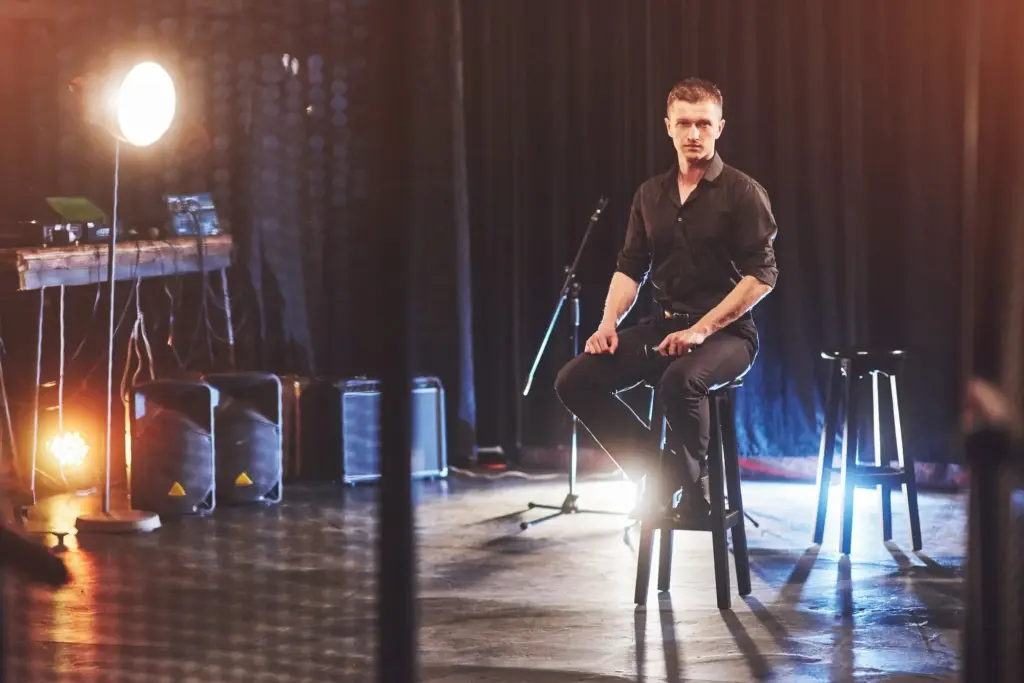
Ignite the Room Before You Begin

Step into your next talk with confidence by practicing Quick Audience-Engagement Prompts to Rehearse Before You Present. This guide helps you warm up real people, not imaginary listeners, using simple openings, respectful micro-asks, brief stories, and energizing checks. Rehearse your timing, your pauses, and your inclusive language so every voice feels welcome from the very first sentence. Share your favorite prompt in the comments, try one today, and subscribe for fresh ideas that keep your sessions lively, memorable, and wonderfully participatory.

Start Strong: Openers That Earn Instant Attention

The first sixty seconds decide whether the room leans in or drifts away. Rehearse concise, curiosity-sparking openers that invite quick participation without pressure. Craft a single, clear invitation, plan your pause, and practice redirecting long responses gracefully. Aim for language that includes everyone, acknowledges different comfort levels, and sets a collaborative tone. End with a promise about what participants will gain and how their input shapes the path ahead.

One Bold Question

Prepare one vivid, answerable question that people can respond to in a sentence or a show of hands. Practice delivering it with energy, then wait a full beat before moving on. Encourage multiple formats—spoken, whispered to a neighbor, or typed—to reduce pressure and maximize early momentum.

The Two-Word Check-In

Invite everyone to share two words describing how they arrive today. Rehearse your follow-up acknowledgment so every contribution feels seen without derailing your flow. This quick pulse humanizes the room, surfaces expectations, and lets you flex your content slightly to match real-time energy and needs.

Prime Participation: Low-Risk, High-Reward Micro-Asks
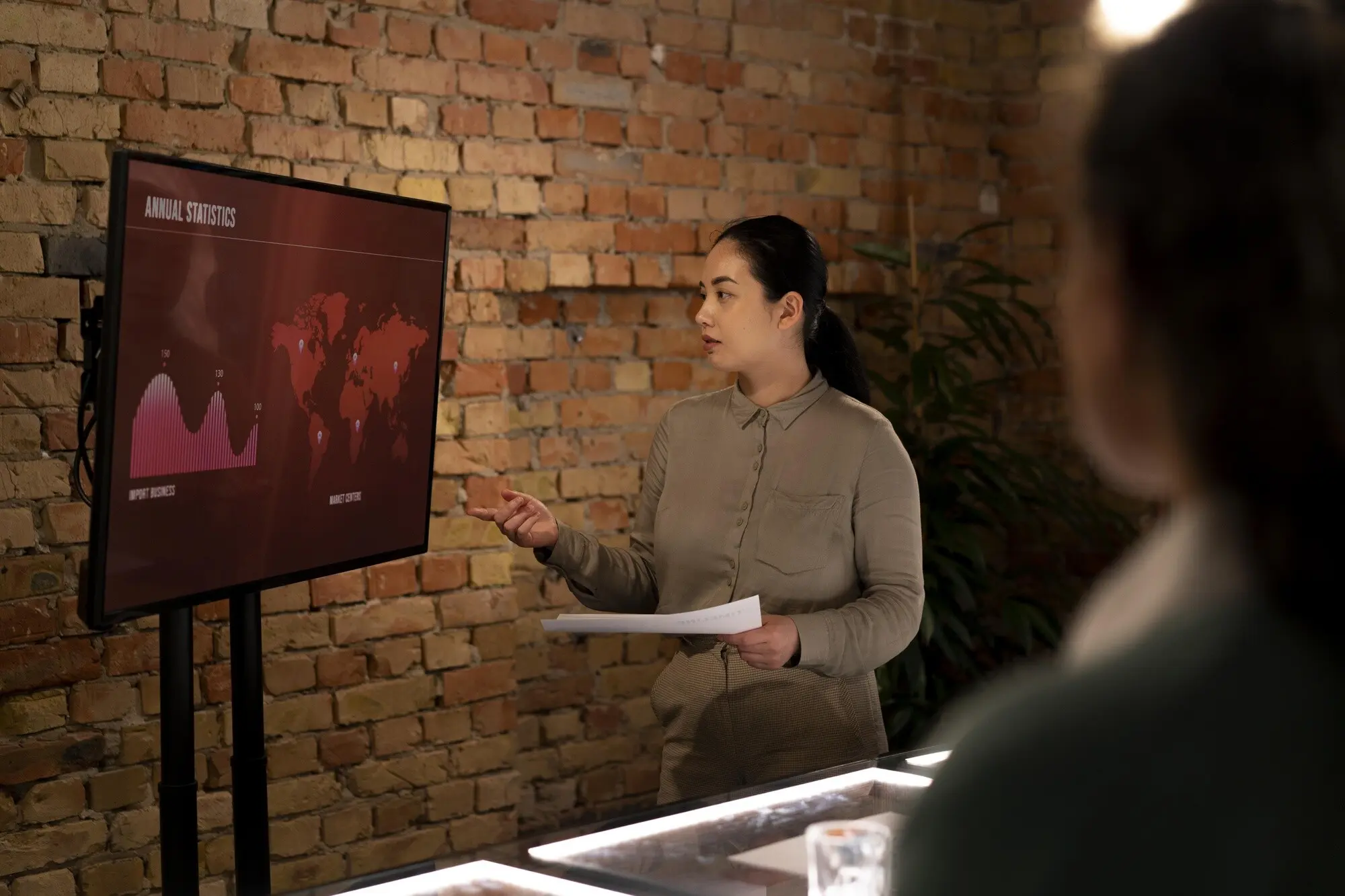
People commit when the first step feels effortless. Design micro-asks that are quick, specific, and safe for different personalities, cultures, and access needs. Rehearse your pacing so each prompt lands, then stack two or three in a gentle sequence. Calibrate difficulty, celebrate small contributions, and reflect back what you heard. This builds trust, reduces social friction, and prepares the room for deeper discussion later.

Thumbs Meter

Invite a quick confidence check using thumbs up, sideways, or down. Practice scanning the room smoothly and narrating patterns without judgment. Offer a short option for cameras-off or large halls, like numbers in chat. Use the result to tailor depth, examples, and pacing in real time.

Silent Poll, Loud Insight

Run a brief silent poll using sticky notes, QR codes, or a simple slide with options. Rehearse concise instructions and a firm timebox. Reveal patterns aloud, linking them to your next point. This gives quieter voices equal weight and yields trustworthy data that moves your story forward.

Promise Statement

Ask participants to jot one promise to themselves about what they will try after the session. Rehearse a supportive framing that avoids guilt and highlights progress over perfection. Invite volunteers to share if comfortable. Close by connecting promises to your call-to-action and follow-up resources.

Story Sparks That Invite Voices

A short, specific story lowers defenses and opens minds. Rehearse a sixty-to-ninety-second narrative with a clear setting, a turning point, and one distilled insight. Then pivot to a question that invites experiences from others. Keep details concrete, avoid humblebrags, and show real vulnerability. By modeling concise storytelling, you unlock relatable contributions and amplify shared wisdom across the room.

From Failure to Lesson in Sixty Seconds

Share a concise moment when something went sideways and the practical lesson you carried forward. Practice ending with an invitational question, not a moral lecture. The structure—situation, surprise, takeaway—helps listeners map their own memories quickly and offer insights that enrich your central message with lived realities.

Anchor Object Hook

Hold a tangible object that symbolizes the talk’s promise, then tell how it earned meaning. Rehearse handling, gestures, and eye contact so the object supports rather than distracts. Invite attendees to name an equivalent artifact in their work, bridging abstract concepts with concrete anchors that spark meaningful dialogue.

Pass-the-Story Chain

Seed the room with a single sentence starter and invite three quick continuations from different corners. Practice timing, gentle cutoffs, and appreciative transitions. This playful chain builds momentum, reveals diverse angles, and primes the audience to co-create insights before you deepen into your core content.

One Beat of Silence

Ask, then truly wait. Rehearse a full breath before rephrasing or answering yourself. Signal safety with open posture and a calm smile. That quiet beat helps thinkers organize thoughts and grants permission for first voices to rise, making subsequent contributions easier and more diverse.

Choose-Your-Own-Adventure

Offer two crisp question pathways and let the room select where to go first. Practice concise framing and visible options on a slide or board. This choice invites ownership, keeps energy high, and ensures your content meets the audience exactly where curiosity burns brightest today.

If-Then Switch

Pose a conditional prompt—if you face X, then what’s your first move? Rehearse examples that span beginner to advanced. Invite short, concrete answers, then synthesize patterns aloud. This format nudges people toward action, revealing practical tactics you can connect directly to your next teaching point.

In-Room Momentum: Movement and Energy Checks

Bodies learn with brains. Rehearse micro-movements that refresh attention without derailing content. Provide seated alternatives, disclose options upfront, and keep instructions crystal clear. Use brief stretches, partner turns, and spectrum lines to reset focus. Narrate what you observe, celebrate participation, and link the renewed energy to your next insight for a seamless flow.

Virtual Rooms: Chat-First Prompts That Pop

Screens can feel distant unless you choreograph interaction. Rehearse prompts that travel well in chat, polls, and breakouts. Front-load tech instructions and model concise answers. Pace the flow: quick chat burst, spotlight a few gems, then pivot to a visual or poll. Maintain accessibility with captions, varied modalities, and generous pauses that respect bandwidth and diverse processing speeds.